Bankart Lesion Treatment in Schaumburg, IL
Bankart Lesion
A Bankart lesion is a tear of the labrum — the ring of cartilage that surrounds and stabilizes the shoulder socket — that causes instability and recurrent dislocations of the shoulder joint. This type of injury most often occurs with a shoulder dislocation, tearing the labrum away from the front of the socket. Bankart lesions are particularly common in younger, active patients, and when left untreated, they can lead to ongoing instability, weakness, and pain.
At Barrington Orthopedic Specialists, our team of highly experienced, board-certified shoulder specialists can accurately diagnose your condition and create a personalized treatment plan to provide the relief you deserve from a Bankart lesion:
If you're experiencing shoulder pain or instability that could be a Bankart lesion, our specialists can provide the expert care you need. Don't wait to address your shoulder injury. Book an appointment with a Barrington Orthopedic Specialists physician. For urgent needs, visit our Immediate Care Clinic in Schaumburg, IL.
Bankart Lesion: Diagnosis & Treatment
Dealing with a Bankart lesion? Understanding your injury and your treatment options is the first step toward recovery. At Barrington Orthopedic Specialists, our board-certified shoulder team is here to create a plan that gets you back to your life.
A Bankart lesion occurs when the labrum — the ring of fibrocartilage that deepens the shoulder socket and keeps the ball of the joint securely in place — is torn away from the front of the socket, most often during a shoulder dislocation. Without an intact labrum, the shoulder joint loses a critical source of stability, making repeat dislocations far more likely. This is especially common in young, active patients and athletes involved in overhead or contact sports.
To accurately diagnose your condition, our specialists will perform a thorough physical examination, assessing shoulder stability, range of motion, and the specific location of your pain. We will also order X-rays and additional imaging — typically an MRI or MRI arthrogram — to confirm the location and extent of the labral tear and identify any associated injuries, such as damage to the rotator cuff or a Hill-Sachs lesion on the humeral head.
Once we have a clear diagnosis, we'll create a personalized treatment plan focused on restoring stability, relieving pain, and returning you to full function.
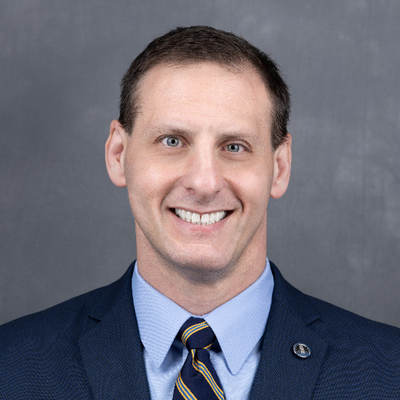
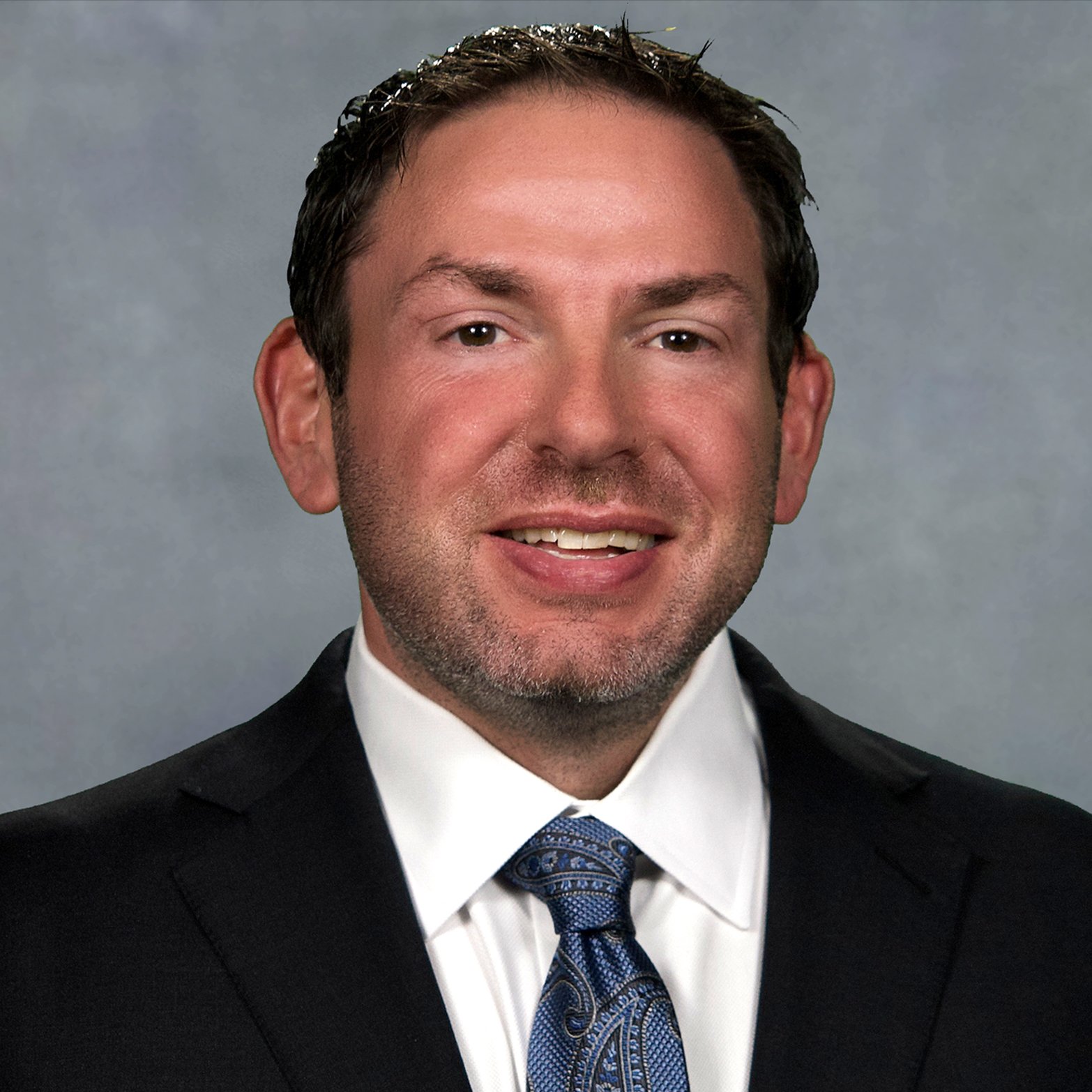
Orthopedic Shoulder Specialists at BOS
Meet the shoulder specialists who diagnose and treat Bankart lesions and shoulder instability, including arthroscopic Bankart repair for patients across the Barrington Orthopedic Specialists network.



Frequently Asked Questions
What Causes a Bankart Lesion?+
Bankart lesions are most commonly caused by a traumatic shoulder dislocation, where the ball of the upper arm bone is forced out of the shoulder socket. As the joint dislocates, the labrum is torn away from the front of the socket. Athletes involved in contact sports such as football, hockey, and wrestling, as well as those who participate in overhead sports like baseball, swimming, and volleyball, are at elevated risk. A Bankart tear that does not heal properly can lead to chronic shoulder instability, recurrent dislocations, weakness, and pain.
What Are the Symptoms of a Bankart Lesion?+
The most common symptoms of a Bankart lesion include:
- Pain when reaching overhead, during daily activities, or at night
- A feeling of shoulder instability or looseness, as though the joint may pop out of place
- Recurring shoulder dislocations or subluxations (partial dislocations)
- Weakness in the shoulder, particularly with overhead movements
- Limited range of motion and difficulty with everyday activities
- Clicking, catching, or grinding sensations in the shoulder
What Are the Treatment Options for a Bankart Lesion?+
Nonsurgical Treatment
Smaller or partial Bankart tears, particularly in older or less active patients, may be managed without surgery. Nonsurgical treatment typically includes:
- Rest and activity modification – Avoiding movements that provoke instability or pain while the shoulder heals.
- Anti-inflammatory medications (NSAIDs) – To reduce pain and swelling.
- Physical therapy – A targeted rehabilitation program to strengthen the rotator cuff and surrounding shoulder muscles, improving joint stability and reducing the risk of further dislocations.
Surgical Treatment
Surgery to repair the torn labrum is often necessary, particularly for younger patients, athletes, or those who have experienced multiple dislocations. The most common procedure is an arthroscopic Bankart repair, in which the torn labrum is reattached to the shoulder socket using small suture anchors.
Success rates for Bankart repair exceed 90%, with most patients returning to normal activities without further dislocations. Your surgeon will determine the most appropriate surgical approach based on the size and nature of the tear, your activity level, and your overall shoulder health.
How Long Does Recovery from a Bankart Lesion Take?+
Recovery following nonsurgical treatment typically takes 6 to 12 weeks, depending on the severity of the tear and the patient's response to rehabilitation. For patients who undergo arthroscopic Bankart repair, the shoulder is immobilized in a sling for 4 to 6 weeks following surgery, after which a structured physical therapy program begins. Most patients return to light activity within 3 to 4 months and to full sport or heavy activity by 6 months post-surgery.