Harnessing Your Body's Healing Power
Platelet-Rich Plasma (PRP) Therapy
When you suffer from a chronic tendon injury, ligament sprain, or the painful effects of osteoarthritis, finding a treatment that does more than just mask the symptoms can be a challenge. Traditional treatments like rest and anti-inflammatory medications are often helpful, but they don’t always address the underlying issue of slow or incomplete tissue healing. Regenerative medicine offers a groundbreaking alternative, utilizing your body's own natural healing abilities to repair damage and reduce pain.
Barrington Orthopedic Specialists is at the forefront of biologic treatments, offering Platelet-Rich Plasma (PRP) therapy as an innovative solution for a variety of musculoskeletal conditions. This advanced procedure concentrates the natural growth factors found in your own blood to accelerate the healing of injured tendons, ligaments, muscles, and joints. Our orthopedic experts use this cutting-edge, minimally invasive technique to help patients recover faster, reduce pain, and return to their active lifestyles with renewed strength and function.
Discover if you are a candidate for this revolutionary treatment. Request an appointment to consult with one of our specialists about the benefits of PRP therapy.
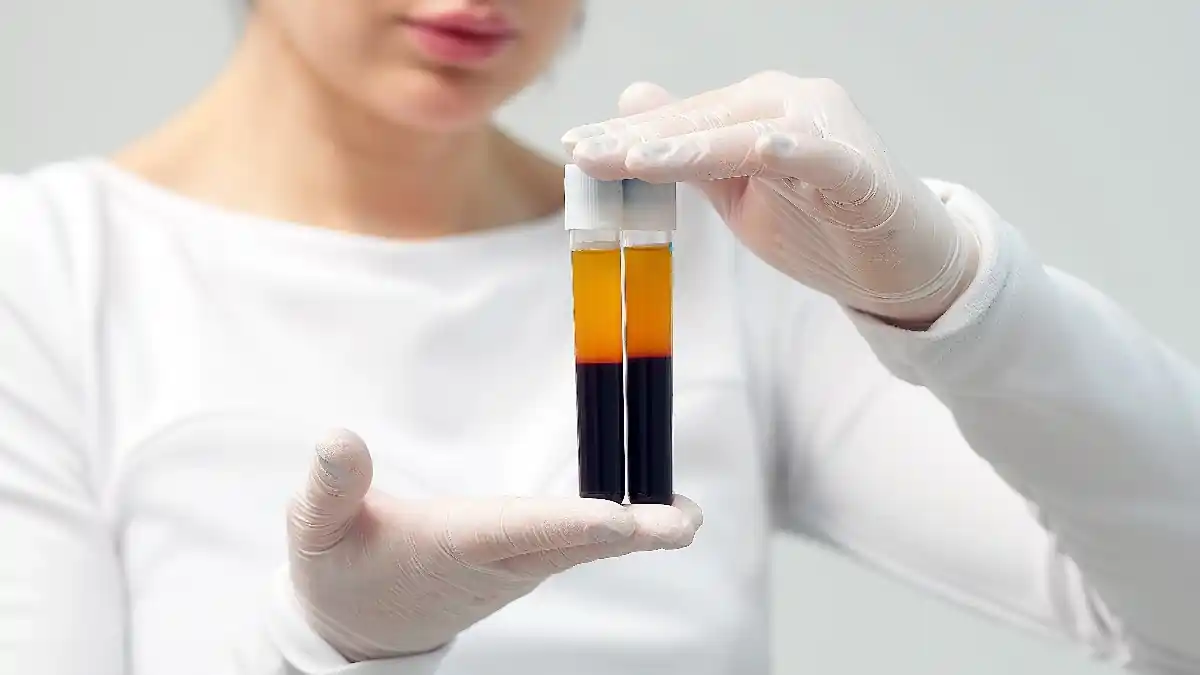
What is Platelet-Rich Plasma (PRP)? Understanding This Innovative Injection
Platelet-Rich Plasma (PRP) is a biologic therapy created from a sample of your own blood. Your blood is primarily composed of red blood cells, white blood cells, plasma, and platelets. While platelets are best known for their role in blood clotting, they are also a rich reservoir of powerful growth factors. These proteins are essential for healing, as they signal cells to multiply, repair damaged tissue, and generate new, healthy tissue.
The PRP procedure isolates and concentrates these platelets. It starts with a simple blood draw, just like you would have at a lab. This blood is then placed in a centrifuge, a machine that spins at high speed to separate the blood components. This process isolates the platelet-rich plasma from the rest of the blood. This concentrated "liquid gold" is then carefully injected directly into the site of your injury, delivering a powerful dose of growth factors right where your body needs them most. This process supercharges your body’s natural healing cascade.
Frequently Asked Questions
What Conditions Does PRP Therapy Treat?
PRP therapy is a versatile treatment used to stimulate healing in a variety of orthopedic conditions, particularly those involving tissues with a naturally poor blood supply that are slow to heal. It is an excellent option for both chronic injuries and some acute problems.
Common conditions treated with PRP include:
- Chronic Tendon Injuries: Tennis elbow (lateral epicondylitis), golfer's elbow, patellar tendonitis, and Achilles tendonitis.
- Osteoarthritis: Particularly mild to moderate arthritis of the knee, hip, and shoulder, where it can help reduce pain and inflammation.
- Ligament and Muscle Injuries: Acute ligament sprains (like knee or ankle sprains) and muscle strains (such as hamstring or calf injuries) to accelerate recovery.
- Rotator Cuff Tears: It can be used to treat partial tears or to enhance healing after surgical repair.
- Plantar Fasciitis: For chronic heel pain that has not responded to other treatments.
What Happens During a PRP Injection Appointment?
A PRP injection is a straightforward, three-step process performed entirely in our office during a single visit. The entire procedure usually takes less than an hour.
- Blood Draw: The first step is a simple blood draw from your arm. The amount of blood needed is small, typically similar to a routine lab test.
- Centrifugation: The vial of blood is then placed into a centrifuge. This machine spins the blood at a very high velocity, which separates it into distinct layers: the red blood cells, the platelet-poor plasma, and the platelet-rich plasma (PRP).
- Injection: Once the PRP is isolated, your doctor will clean the skin over your injured area. Using ultrasound guidance to ensure precise placement, the doctor will inject the concentrated PRP directly into the damaged tissue. Using ultrasound is critical for targeting the exact location of the injury.
What Should I Expect After Receiving a PRP Injection?
After a PRP injection, it is normal to experience some mild to moderate pain and swelling at the injection site for a few days. This is actually a sign that the treatment is working, as the injection is designed to create a controlled inflammatory response that initiates healing. Your doctor will advise you to rest the area and avoid strenuous activities for a period of time.
It is very important to avoid using anti-inflammatory medications (NSAIDs) like ibuprofen or naproxen for several weeks after your injection, as these can interfere with the healing process that the PRP is meant to stimulate. Unlike a corticosteroid shot, the relief from PRP is not immediate. The healing process takes time, and most patients begin to notice a significant improvement in their symptoms within four to six weeks, with continued improvement over several months.
How is PRP Different from a Corticosteroid Injection?
PRP and corticosteroid injections are both used to treat pain, but they have fundamentally different goals. A corticosteroid is a powerful anti-inflammatory medication that works by shutting down the inflammatory response. This provides rapid and effective pain relief, but it does not heal the underlying tissue damage. Its effects are temporary.
PRP, on the other hand, is a regenerative therapy. Its goal is not to mask pain but to heal the injured tissue from within. It works by stimulating a natural, pro-inflammatory healing response that rebuilds and repairs damaged tissue over time. While the pain relief is much more gradual than a steroid shot, the results are often longer-lasting because it addresses the root cause of the problem.
Is PRP Therapy Safe and is it Covered by Insurance?
PRP therapy is an extremely safe procedure because it uses your own blood. This eliminates any risk of allergic reaction, disease transmission, or rejection by your body. The primary risks are the same as any injection: a small chance of infection, bleeding, or nerve irritation at the injection site, all of which are very rare when performed by an experienced specialist.
It is important to note that most insurance companies, including Medicare, currently consider PRP therapy to be an experimental or investigational treatment. Therefore, it is typically not a covered service. Our office will discuss the cost with you upfront so you can make an informed decision about your care.
How Do I Find Out if I Am a Candidate for PRP Therapy?
If you are suffering from a chronic injury that has failed to respond to traditional treatments, PRP therapy may offer a new path to healing. The best way to find out if you are a good candidate is to schedule a thorough evaluation with one of our orthopedic specialists.
At Barrington Orthopedic Specialists, we make it easy to get expert advice. You can request an appointment online or call our office directly. Your doctor will review your history, perform a physical exam, and discuss all available treatment options to help you choose the best course of action for your unique condition.