Key Takeaways
- Patella tendinitis, often called jumper’s knee, causes pain and tenderness at the front of the knee and can worsen without proper care.
- Persistent pain, swelling, or difficulty with daily activities are signs that medical evaluation is needed.
- Delaying treatment increases the risk of chronic pain, prolonged recovery time, and ongoing knee weakness.
- Early diagnosis and targeted treatment help reduce inflammation, protect the tendon, and restore function.
- Barrington Orthopedic Specialists provides expert evaluation and treatment for patella tendinitis in Schaumburg, IL, delivered by a sports medicine team of experienced knee specialists, including Dr. Sean Jereb, Dr. Thomas Obermeyer, Dr. Jason Rotstein. Schedule an appointment today for personalized knee care.
What Is Patella Tendinitis?
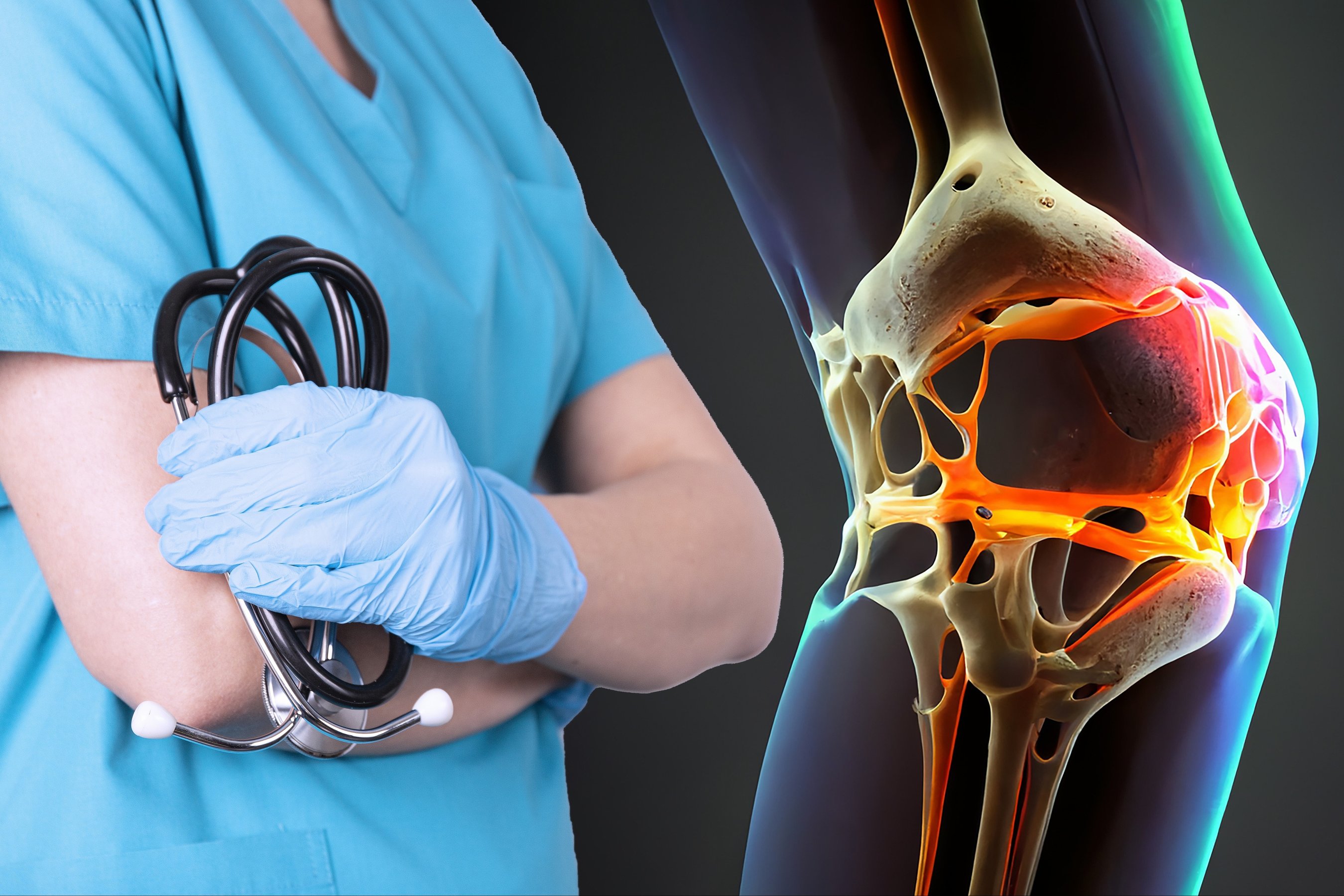
Patella tendinitis is an overuse injury that affects the patellar tendon, the strong band of tissue connecting the kneecap (patella) to the shinbone (tibia). This tendon plays a key role in straightening the knee during activities such as walking, running, jumping, and climbing stairs.
Repeated stress on the patellar tendon can cause inflammation, pain, and weakness. While athletes are commonly affected, patella tendinitis can develop in anyone whose daily activities place repeated strain on the knee.
Common Knee Pain Causes Linked to Patella Tendinitis
Several factors increase stress on the patellar tendon, including:
- Repetitive jumping or running
- Frequent walking or cycling on hard surfaces
- Sudden increases in activity intensity
- Alignment issues involving the hips, knees, or feet
- Overpronation, where the arches of the feet collapse during movement
Understanding these knee pain causes helps determine when symptoms may require professional care.
Symptoms That Require Medical Attention
Early Symptoms You Should Not Ignore
Patella tendinitis often starts gradually. Early symptoms may include:
- Pain or tenderness just below the kneecap
- Discomfort during or after activity
- Mild swelling around the knee
At this stage, rest and activity modification may help, but symptoms should be closely monitored.
Signs It’s Time to See a Knee Specialist
Medical evaluation is recommended if you experience:
- Persistent knee pain lasting more than a few days
- Swelling that does not improve
- Pain when walking, climbing stairs, or standing from a seated position
- Pain that worsens with jumping or running
- Tenderness behind or below the kneecap
These symptoms suggest the tendon may need targeted treatment to prevent further damage.
Risks of Delaying Treatment for Patella Tendinitis
How Delayed Care Affects Recovery
Ignoring patella tendinitis can turn a manageable condition into a chronic problem. Continued stress on an inflamed tendon may lead to:
- Ongoing pain and stiffness
- Reduced knee strength and stability
- Longer patellar tendonitis recovery time
- Increased risk of tendon degeneration
Delayed treatment often means recovery takes significantly longer than if care begins early.
Impact on Daily Life and Activity
Untreated patella tendinitis can interfere with work, exercise, and everyday tasks. Over time, patients may compensate by changing how they move, which can strain other joints and muscles.
Diagnostic Tools Used by Knee Specialists
Comprehensive Evaluation
At Barrington Orthopedic Specialists, diagnosis begins with a detailed medical history and physical examination. Providers assess knee alignment, movement patterns, and areas of tenderness.
Imaging When Needed
In some cases, imaging studies such as X-rays may be used to rule out other conditions contributing to knee pain. Accurate diagnosis ensures treatment targets the true source of symptoms.
Early evaluation by a knee specialist near me helps confirm whether patella tendinitis is present and guides appropriate care.
Treatment Options Available in Schaumburg, IL
Conservative Treatment for Patella Tendinitis
Most cases of patella tendinitis respond well to non-surgical treatment. Common options include:
- Ice application to reduce inflammation
- Anti-inflammatory medications when appropriate
- Activity modification to limit tendon strain
Supportive Devices
Depending on symptoms, providers may recommend:
- An infra-patellar strap to reduce tendon stress
- A knee brace for added support during movement
These devices help protect the tendon during healing.
Addressing Alignment Issues
If foot or leg alignment contributes to tendon stress, custom orthotics may be prescribed. Correcting overpronation can significantly reduce strain on the knee.
Rehabilitation Exercises
Targeted rehabilitation exercises help strengthen the knee and surrounding muscles, improve flexibility, and support a safe return to activity. Exercise progression is guided to avoid re-injury and support long-term knee health.
When Urgent Care for Knee Pain Is Needed
Situations Requiring Prompt Evaluation
While patella tendinitis usually develops gradually, urgent evaluation is recommended if knee pain is accompanied by:
- Sudden swelling
- Inability to bear weight
- Severe pain after an injury
Barrington Orthopedic Specialists offers immediate orthopedic care options for acute knee concerns in Schaumburg, IL, providing timely assessment and treatment when symptoms escalate.
Benefits of Early Intervention for Knee Health
Faster Recovery and Better Outcomes
Seeking treatment early often leads to:
- Shorter recovery time
- Reduced pain and inflammation
- Improved knee strength and stability
Early care also lowers the risk of chronic tendon problems.
Protecting Long-Term Knee Function
By addressing symptoms promptly, patients can preserve knee function and safely return to daily activities, work, or sports with confidence.
Expert Knee Care Focused on Long-Term Recovery
Patella tendinitis is a common cause of knee pain, but it does not have to become a long-term issue. Recognizing symptoms early and seeking appropriate treatment can significantly improve recovery and knee health.
To receive expert evaluation and treatment for patella tendinitis, schedule an appointment with Barrington Orthopedic Specialists in Schaumburg, IL. Their orthopedic team provides comprehensive, patient-focused knee care designed to relieve pain and support lasting recovery.
Frequently Asked Questions
How long is patellar tendonitis recovery time?
Recovery time varies depending on severity and how early treatment begins. Mild cases may improve in weeks, while more advanced cases may take longer with guided care.
How do you fix patellar tendonitis?
Treatment typically includes activity modification, ice, supportive devices, rehabilitation exercises, and addressing alignment issues contributing to tendon stress.
When should I see a knee specialist for patella tendinitis?
If knee pain persists, worsens, or interferes with daily activities, a specialist evaluation is recommended to prevent further tendon damage.
What causes patella tendinitis?
Common causes include repetitive jumping or running, overuse, and alignment issues in the hips, knees, or feet.
Is patella tendinitis considered urgent care for knee pain?
It is usually not an emergency, but sudden swelling, severe pain, or inability to bear weight should be evaluated promptly.
