Lisfranc Dislocation Treatment in Elk Grove Village, IL
About Lisfranc Fractures
A Lisfranc injury can involve a fracture, a dislocation, or both in the middle of the foot. This is a very important area of the foot, as there is a group of small bones that form the arch shape of the foot. These bones are connected to each other in this arch shape by a group of ligaments called the Lisfranc ligaments.
Our foot and ankle doctors are here to help you find relief:
Don't let a Lisfranc injury keep you on the sidelines. Our specialists are ready to evaluate your condition and guide you toward recovery. Book a consultation and take the first step toward getting back on your feet.
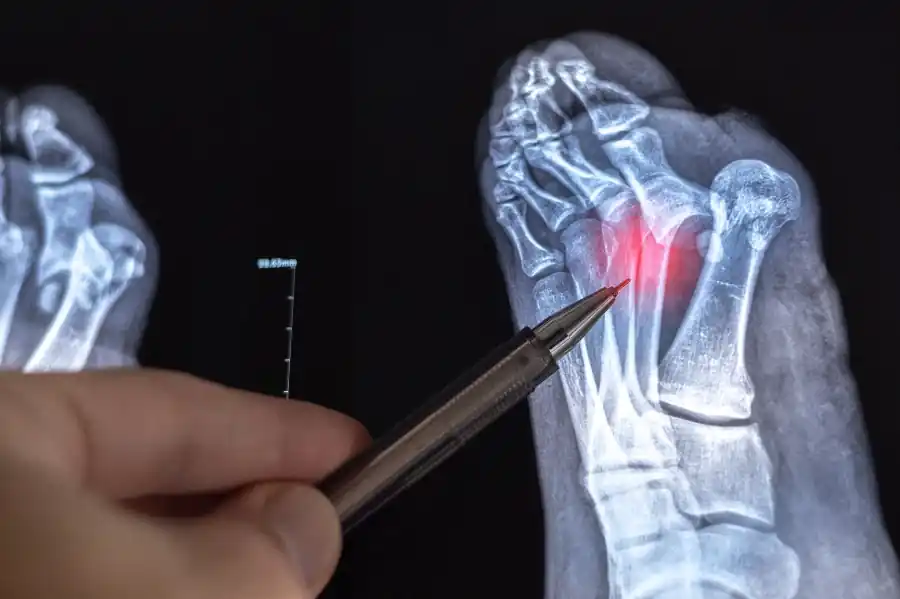
What is a Lisfranc Fracture? How and Why It Happens
A Lisfranc fracture is an injury to the midfoot, where the metatarsal bones connect to the tarsal bones. This injury can range from a simple sprain, where ligaments are stretched, to complex fractures and dislocations of the bones. A Lisfranc injury often occurs from a simple twist and fall on the foot, but it is also common in high-impact situations like car accidents or falls from a height. Athletes are also at risk, especially in sports like football.
The pain is usually centered on the top of the midfoot and can be mistaken for a simple sprain. If left untreated, a Lisfranc fracture can lead to chronic pain, arthritis, and problems with the arch of the foot. It is important to have this injury treated properly.
Foot & Ankle Surgeons at BOS
Meet the podiatric foot and ankle surgeons who diagnose and treat Lisfranc fractures and dislocations for patients across the Barrington Orthopedic Specialists network.



Frequently Asked Questions
What Causes a Lisfranc Fracture?+
Lisfranc injuries are often caused by falls, twisting injuries, or heavy objects dropping on the foot. Long-term complications, such as arthritis in the middle of the foot, can develop after these injuries.
What Are the Symptoms of a Lisfranc Fracture?+
Symptoms of a Lisfranc injury may include:
- Swelling of the foot
- Pain in the midfoot, especially when standing or applying pressure
- Inability to bear weight (in severe injuries)
- Bruising or blistering on the arch of the foot
- Abnormal widening of the foot
What Are the Treatment Options for a Lisfranc Fracture?+
If the ligaments are completely torn and the bones are dislocated, surgery is necessary to realign the bones and ligaments. Without surgery, arthritis is likely to develop within a few years. Surgical options may include the use of wires, pins, or screws to stabilize the bones.